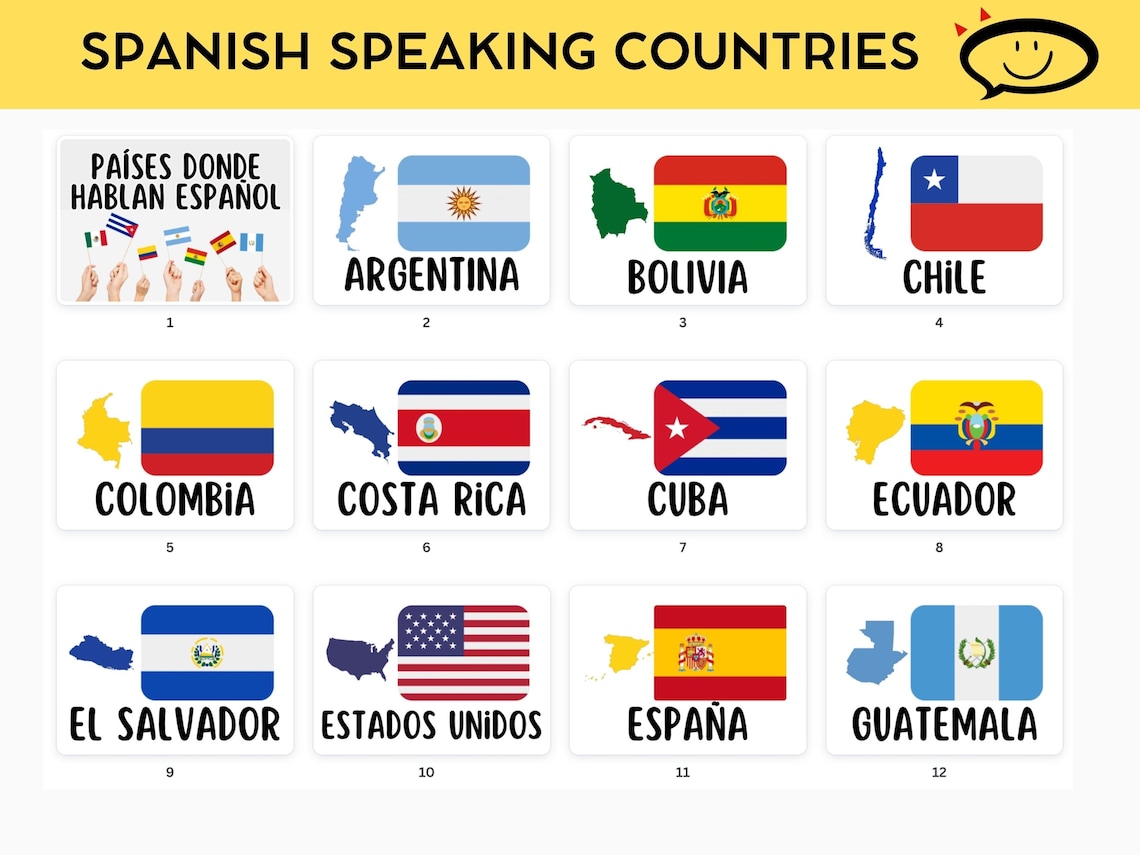
Latino and hispano are two words often used to describe people with roots in Spanish-speaking countries.
Although they are sometimes used the same way, they have different significados (meanings). It is important to understand the diferencia between them.
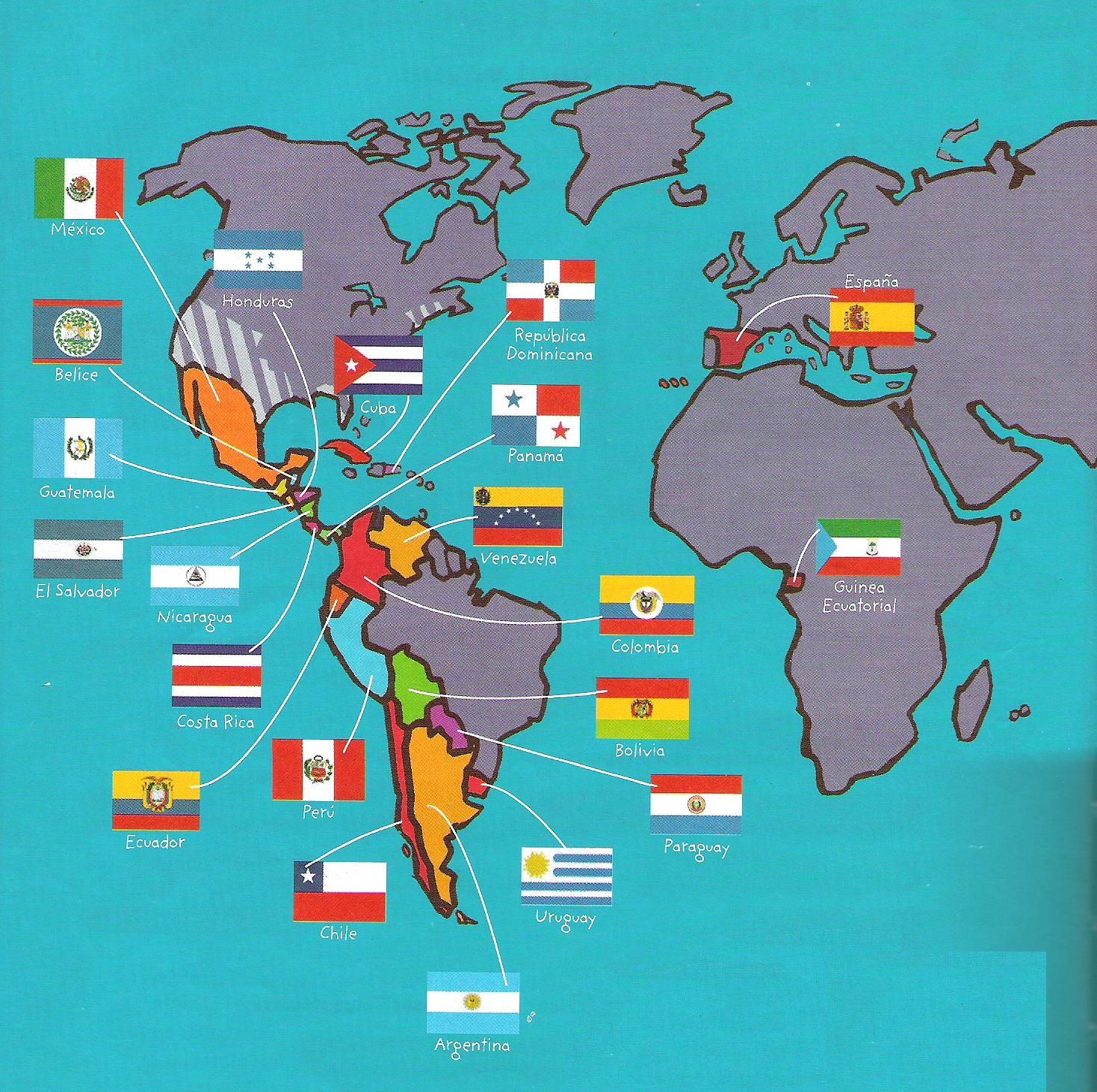
The word hispano (Hispanic) refers to people who come from or have familia (family) from a Spanish-speaking país (country).
This includes places like México, España, Colombia, and many more. A person from España (Spain) is considered Hispanic because they speak español (Spanish).
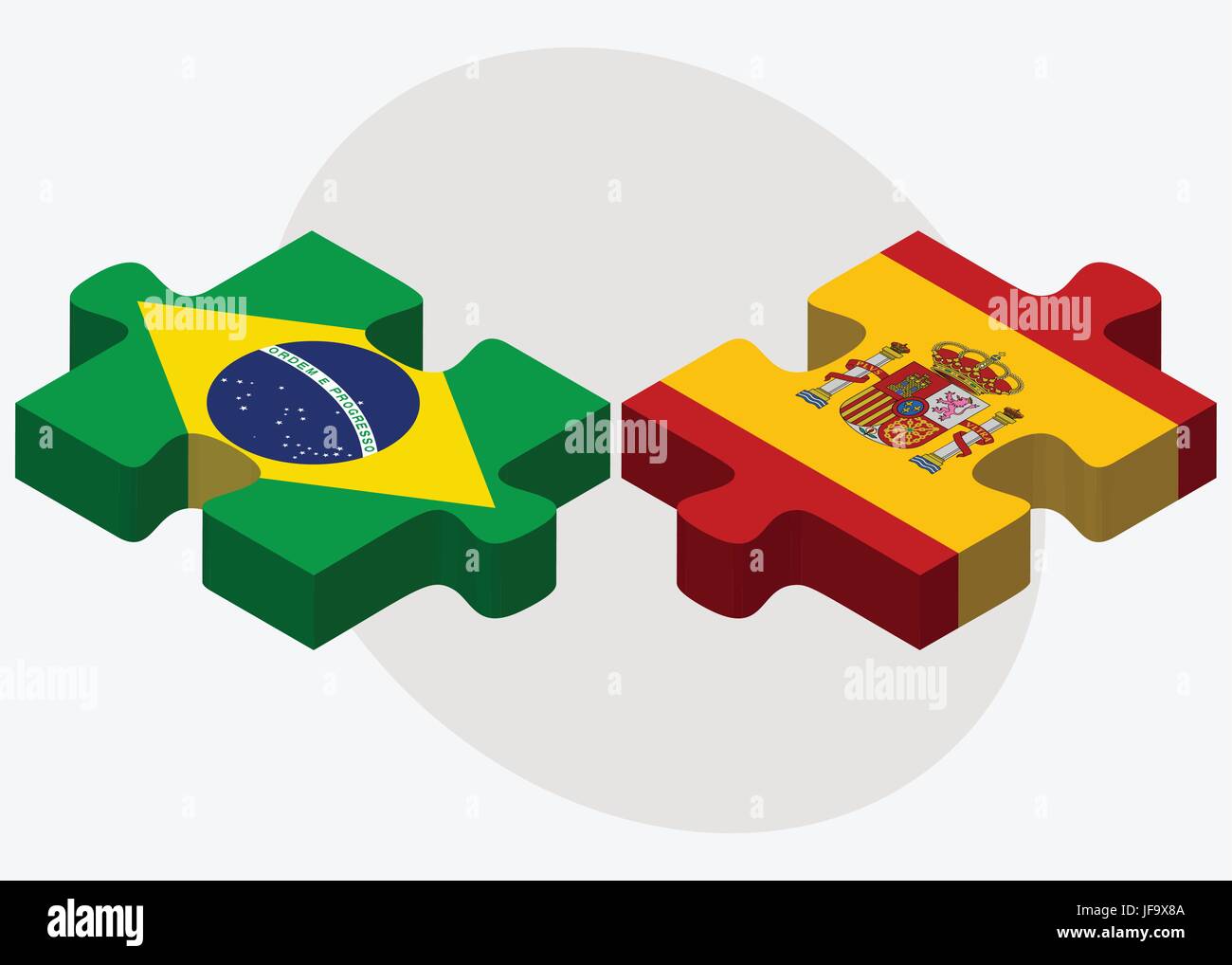
The word latino (Latino/Latina/Latinx) refers to people from América Latina (Latin America), which includes countries in Central and South America and the Caribbean.
A person from Brasil (Brazil) is considered Latino because Brazil is part of Latin America, even though the main idioma (language) is Portuguese.
So, someone from España is Hispanic, but not Latino. Someone from Brasil is Latino, but not Hispanic.
A person from México, Chile, or Guatemala is both Hispanic and Latino. These terms often depend on geografía (geography) and idioma.
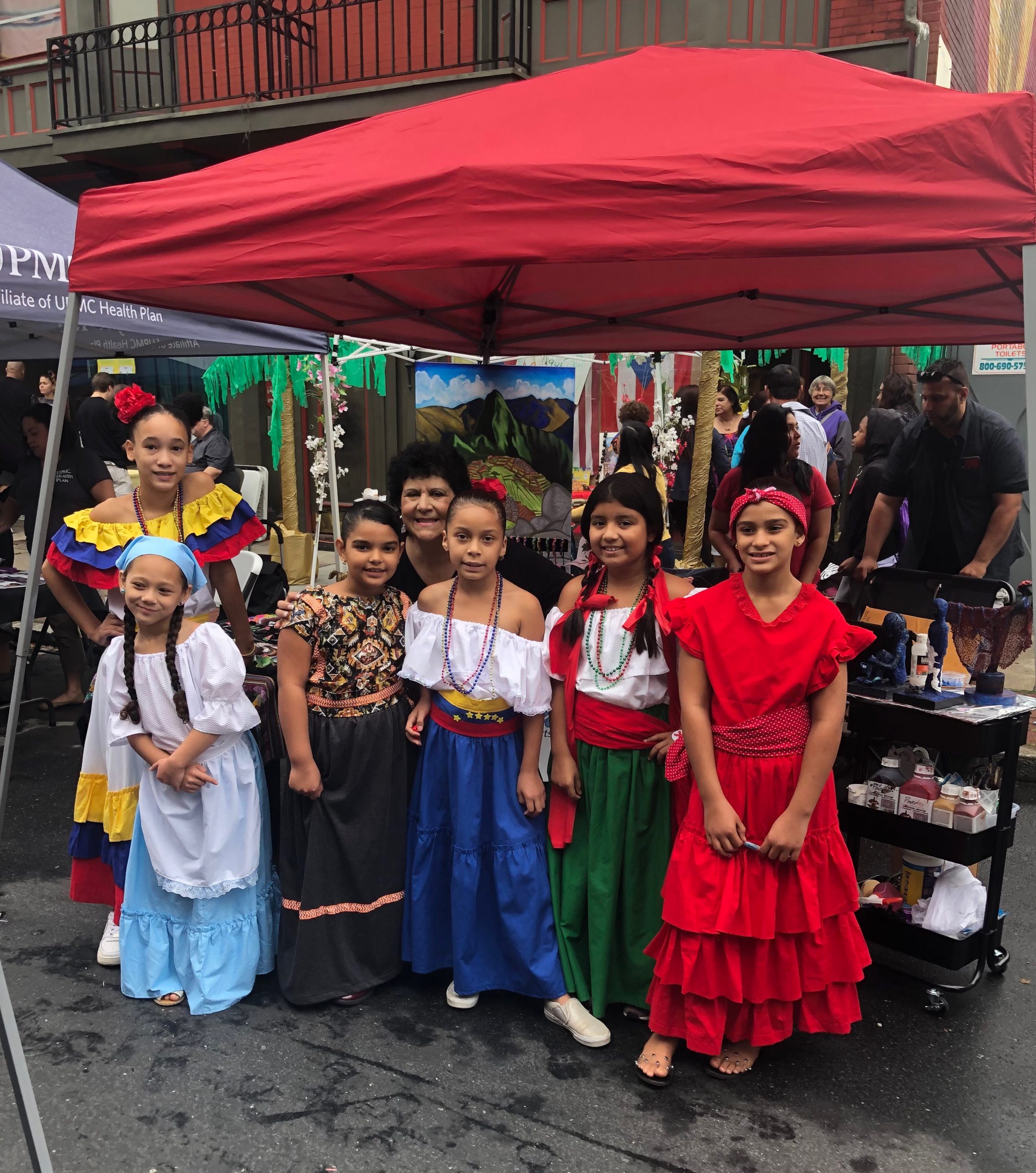
In the United States, people may choose how to identify themselves.
Some prefer Latino, others prefer Hispanic, and some use both. Some people use Latinx as a gender-neutral word. Identity is personal and can be influenced by cultura, historia, and personal experience.
Both words celebrate raíces (roots), orgullo (pride), and diversidad (diversity).
Latino and Hispanic communities are full of rich tradiciones (traditions), lenguas (languages), and stories that shape their identities.
Latino e hispano son dos palabras que se usan para describir a personas con raíces en países de habla hispana.
Aunque a veces se usan igual, tienen diferentes significados. Es importante entender la diferencia entre ellas.
La palabra hispano se refiere a personas que vienen de un país donde se habla español o tienen familia de allí.
Esto incluye lugares como México, España, Colombia y muchos más. Una persona de España es hispana porque habla español.
La palabra latino se refiere a personas de América Latina, que incluye países de América Central, América del Sur y el Caribe.
Una persona de Brasil es latina porque Brasil es parte de América Latina, aunque el idioma principal es el portugués.
Entonces, alguien de España es hispano, pero no latino. Alguien de Brasil es latino, pero no hispano.
Una persona de México, Chile o Guatemala es ambos. Estos términos dependen de la geografía y del idioma.
En los Estados Unidos, las personas pueden elegir cómo identificarse.
Algunas prefieren decir latino, otras dicen hispano, y algunas usan ambos. Algunas personas usan Latinx como una palabra sin género. La identidad es personal y depende de la cultura, la historia y la experiencia personal.
Ambas palabras celebran las raíces, el orgullo y la diversidad.
Las comunidades latinas e hispanas tienen muchas tradiciones, lenguas e historias que forman sus identidades.
Vocabulario